Quick Facts
Ziro, located in Arunachal Pradesh, is a hidden gem in Northeast India that blends natural beauty, tribal culture, and peaceful charm.
1. Home of the Apatani Tribe
- Ziro is primarily inhabited by the Apatani tribe, known for their unique traditions.
- Elderly Apatani women were once famous for their facial tattoos and nose plugs, a custom that is now fading.
2. UNESCO Tentative List Site
- Ziro Valley is on UNESCO’s Tentative List for World Heritage Sites due to its unique tribal culture and sustainable lifestyle.
- The Apatanis practice an eco-friendly method of farming that combines wet rice cultivation with fish farming—without using machines or animals!
3. Famous for Ziro Music Festival
- Held annually (usually in September), the Ziro Music Festival is one of India’s coolest indie music events.
- Artists from across India and even international bands perform in the open fields of Ziro, surrounded by pine trees and hills.
4. Rich in Biodiversity
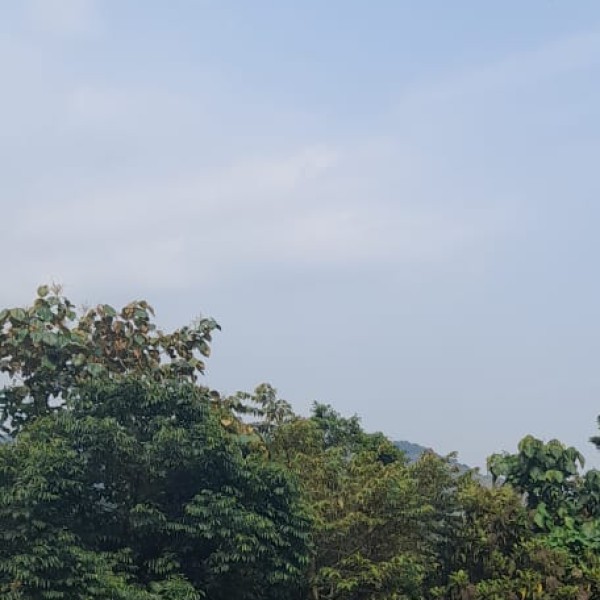
- The valley is surrounded by pine forests, rice fields, and rolling hills.
- Ziro is close to Talley Valley Wildlife Sanctuary, which is rich in flora and fauna and is home to clouded leopards, mithuns (mountain cows), and orchids.
5. Climate & Scenic Beauty
- Ziro sits at an altitude of about 1,500 meters—which gives it a pleasant, cool climate year-round.
- The valley is often wrapped in a misty, magical vibe, especially during monsoon and winter months.
6. Hard to Reach, Worth the Journey
- Though remote, Ziro is accessible via road from Naharlagun or Itanagar.
- The nearest airport is at Lilabari (Assam), and the journey to Ziro offers beautiful landscapes and hill views.
7. Unique Architecture
- Traditional Apatani homes are built on wooden stilts, using bamboo and pinewood.
- The villages are neat and systematically arranged with small canals and kitchen gardens.
8. Rich Festivals and Culture
- Apart from the music fest, the Apatani celebrate Myoko (March) and Dree Festival (July)—rituals involving community feasts, dances, and prayers for good harvests.